
February’s Board meeting was a timely opportunity to take stock of the strong progress being made across the Trust, particularly in quality, access to services, workforce stability and system collaboration. While pressures remain, the Board was encouraged by the clear evidence of improvement, innovation and impact for the people we serve.
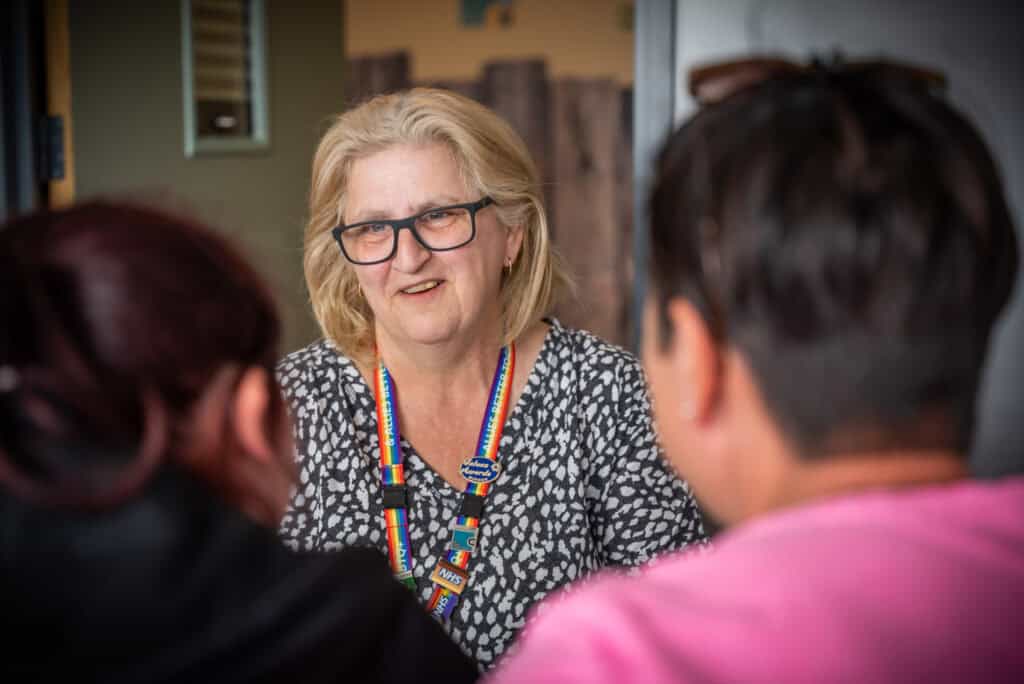
As always, our discussions were grounded in our values and in the lived experience of our service users and staff, so we had a staff story at the beginning of this Board meeting. Ritchie Balan (Matron), along with Team Managers Shanna-Kay Pinnock and Aisha Zahid from our Solihull Home Treatment Team, gave us an inspiring story of how their effective leadership has improved care for our patients. They outlined their success and progress, as well as recounting some of the challenges they face in providing their care to those in their locality. They expressed frustration at the lack of space for them to be together as a team, and Dave Tomlinson, our Executive Director of Finance undertook to visit them to se what could be done to solve that issue.
Key Updates and Progress
Quality, Safety and Regulation
- The Board took confidence from continued improvement following recent CQC activity, with clear evidence of stronger governance, improved leadership visibility and safer care in inspected services.
- There has been sustained progress in reducing restrictive practices, supported by better training compliance and learning from incidents.
- Complaints handling continues to improve, with faster response times and better-quality learning, demonstrating a more open and responsive culture.
Access, Flow and Patient Experience
- Performance across urgent and acute pathways remains strong, with further reductions in out-of-area placements and improved length of stay.
- The Recovery House continues to have a positive impact on admission avoidance and discharge flow, supporting people to receive care in the least restrictive setting.
- The Trust remains ahead of national access standards in Children and Young People’s services, with no long-wait breaches and consistently strong referral-to-treatment times.
Our People
- Workforce indicators show positive stabilisation, including reduced sickness absence and improved retention in several hard-to-recruit-to areas.
- Recruitment activity remains strong, particularly in community and CYP services, and international recruitment is beginning to deliver benefits.
- The Board welcomed ongoing improvements in leadership development, appraisal completion and staff engagement, reflecting the impact of last year’s staff survey actions.
Culture of Care
- The Culture of Care programme continues to embed well, with positive staff feedback, stronger multidisciplinary working and improved ward culture reported across secure and acute settings.
- The Board was pleased to see this approach increasingly shaping how teams lead, support each other and involve service users in care.
Digital, Data and Innovation
- New digital dashboards are providing clearer, real-time assurance from ward to Board, improving visibility of risk and performance.
- Continued enhancements to e-rostering are supporting safer staffing, better use of resources and reduced reliance on temporary staffing.
Finance and Sustainability
- The Trust remains broadly on track with its financial recovery plan, despite ongoing system pressures.
- Strong grip on agency spend and non-NHS beds continues, and collaborative working with system partners is helping manage risk.
- The Board welcomed the growing alignment between financial planning, workforce plans and clinical priorities.
Divisional Highlights
- Children and Young People’s Services continue to perform strongly against national targets, with improving workforce stability.
- Acute and Urgent Care has delivered further improvements in flow and reduced escalation, supported by proactive winter planning.
- Secure and Offender Health Services reported ongoing estate improvements, better staffing fill and positive Culture of Care feedback.
- Community and Specialist Services continue to innovate, with digital improvements and expanded outreach improving access and experience.
- Primary Care, Dementia and Specialty services continue to progress key improvement work, including strengthened partnership working with Primary Care Networks, continued development of dementia pathways, and the rollout of the Culture of Care programme across dementia, frailty and specialist inpatient areas, supporting more consistent, person‑centred care.
Areas requiring continued focus and challenge (Board discussion)
- The Board also noted a number of areas that remain challenging and require sustained focus:
- Ongoing demand and capacity pressures, particularly in community and older adult services, which continue to impact waiting times and caseloads in some areas.
- Waiting times in selected pathways, including talking therapies, ADHD and some older adult community services, where recovery and improvement plans are in place and subject to close oversight.
- The need to maintain momentum on recovery plans for services under pressure, including discharge delays linked to system constraints and availability of onward placements.
Looking Ahead
As we move closer to launching our new Trust strategy, the Board reflected on the strength of engagement across our organisation. The ambition, insight and commitment shown by colleagues and service users gives me real confidence in our future direction.
Board Reflections
I am continually inspired by the professionalism, compassion and determination I see across our Trust. February’s discussions reinforced that. Even in a challenging environment, we are making meaningful progress — improving care, supporting our people and working together for the communities we serve.
Thank you to every colleague for your continued dedication and for the difference you make every day.
Best wishes,
Roísìn Fallon-Williams
Chief Executive
Published: 6 February 2026