
BSMHFT is strengthening its commitment to tackling racial inequalities in mental health care.
Working alongside local communities, service users, carers and partners, the Trust is focused on making services more inclusive and responsive to people’s needs.
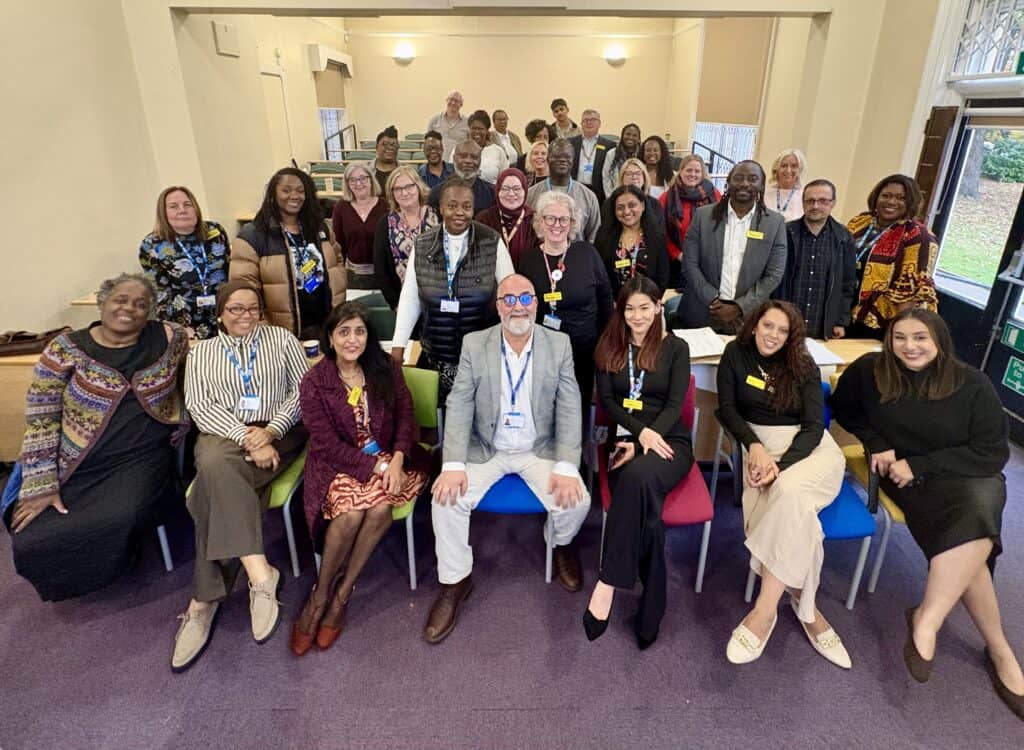
The commitment was renewed at a Celebration of Culture event on Friday 6 November, which brought together colleagues, service users, carers and community organisations to explore how the Patient and Carer Race Equality Framework (PCREF) can drive meaningful and lasting improvements.
PCREF is a national NHS framework designed to help mental health trusts address racial inequalities in access, experience and outcomes. It places an emphasis on understanding the experiences of people from ethnically diverse communities and using their voices, alongside data and evidence, to drive improvements in care.
Organised by the Trust’s Equality, Diversity and Inclusion (EDI) team, the event also reaffirmed BSMHFT’s commitment to the Triangle of Care, recognising the important role families and carers play in supporting people with mental health needs and ensuring they are included as equal partners in care.
A key theme throughout the event was the importance of working with communities, listening to lived experience and turning that insight into action.
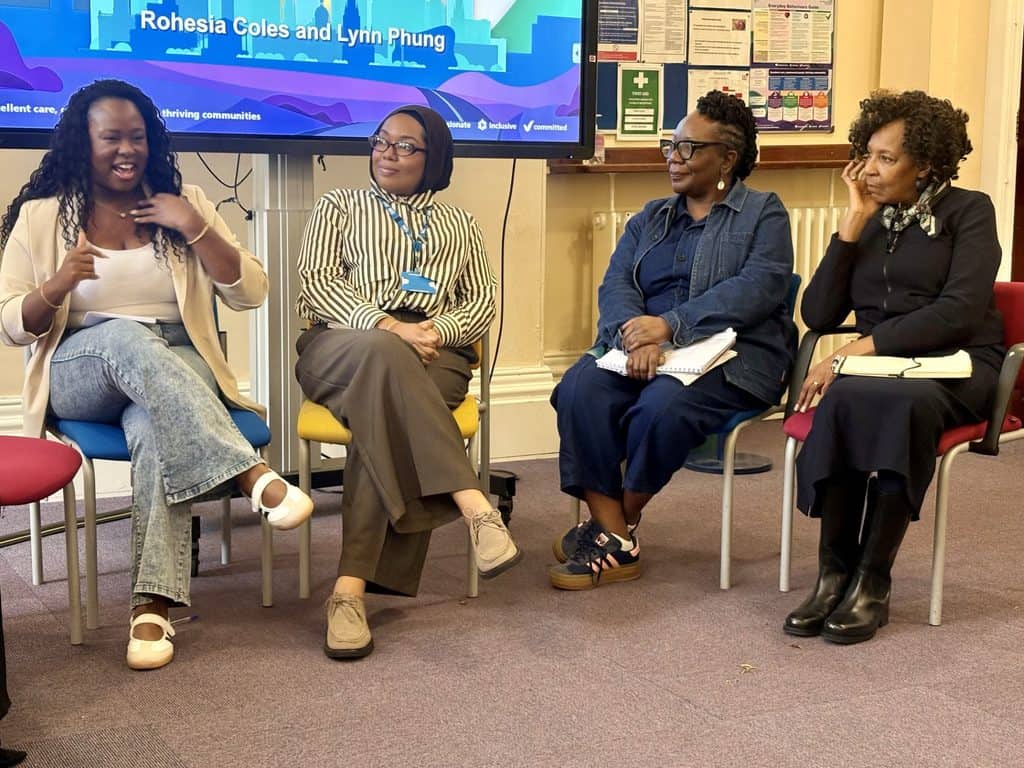
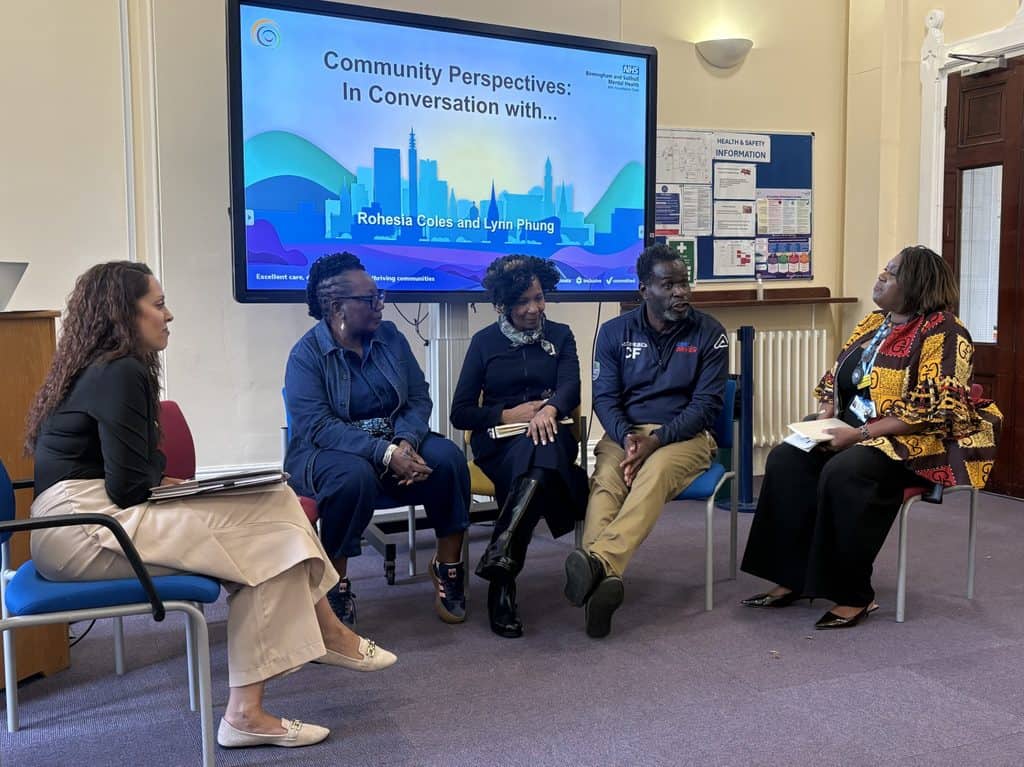
Representatives from community organisations and initiatives, including Catalyst4Change, Goal Driven, Melanin Moons, Improving Access for Black Men and the Birmingham and Lewisham African and Caribbean Health Inequalities Review (BLACHIR), shared how they are working to challenge stigma, improve access to mental health support and address inequalities.
Their work ranges from using lived experience to support others and building stronger partnerships between services and communities, to taking conversations about mental health into familiar settings such as local barber shops. Together, these examples highlighted the importance of building trust, understanding different cultural experiences and ensuring communities are actively involved in shaping more inclusive mental health services.
The message was clear: the NHS cannot tackle racial inequalities alone. Meaningful change depends on working in partnership with the people and organisations who understand their communities best.
The conversations also focused on what needs to change within the Trust to ensure that the experiences of service users, carers and communities genuinely influence the way mental health services are designed and delivered.
During a practical workshop, colleagues explored what is already working well, the barriers that need to be addressed and how co-production can become more meaningful. Discussions included making better use of lived experience, feedback and data to identify inequalities, improve access to services and understand whether changes are making a difference.
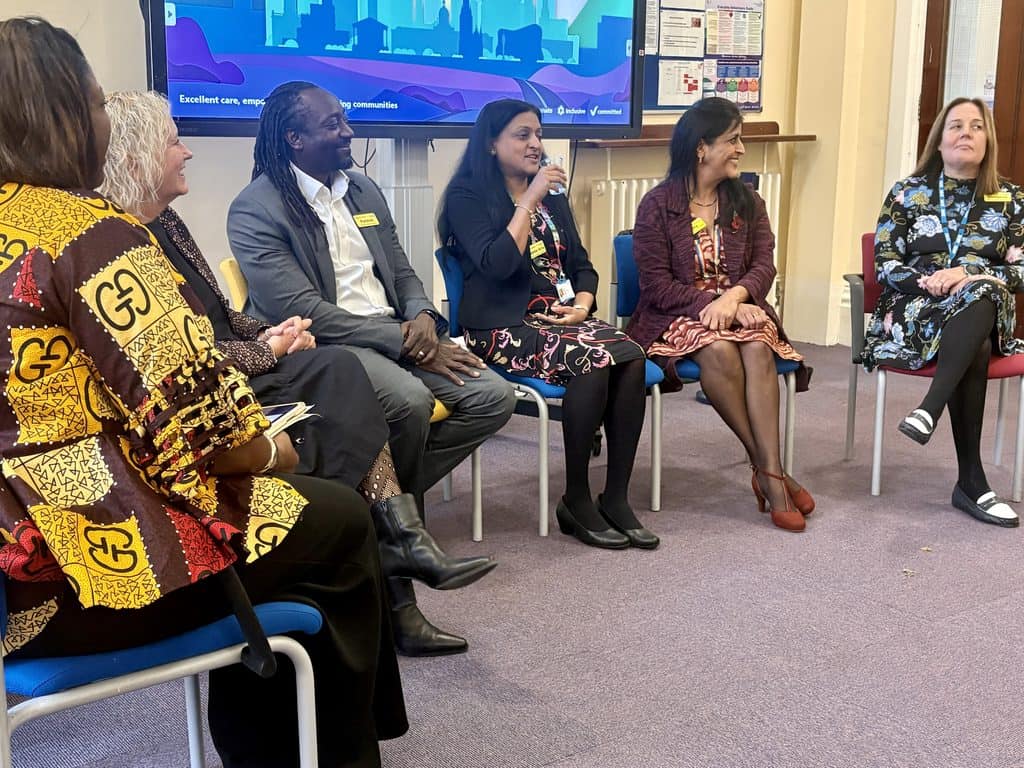
An executive panel brought together Trust leaders and the EBE and Recovery Lead to discuss the leadership accountability needed to make PCREF part of everyday practice. The discussion focused on demonstrating improvements in people’s experiences and outcomes, taking responsibility when things go wrong and ensuring that tackling racial inequalities remains a long-term priority.
There was a shared understanding that PCREF cannot sit with the EDI team alone. It is everyone’s responsibility, with leaders committing to supporting colleagues to embed its principles into the care and support they provide. The success of PCREF will be measured not by the number of events held or activities delivered, but by the difference people experience when accessing and receiving mental health care. That means improving access, building trust, ensuring people feel heard and understood, strengthening relationships with communities and delivering better outcomes for everyone.
The Trust’s ambition is to make PCREF more than a framework or another NHS initiative. It wants to create a movement for change across BSMHFT, supported by local team champions who will help bring colleagues and communities together, strengthen partnerships and maintain a focus on meaningful improvements.
The Celebration of Culture event was an important opportunity to share experiences, recognise the work already happening across Birmingham and Solihull and renew a collective commitment to making mental health care more inclusive.
Published: 11 November 2026