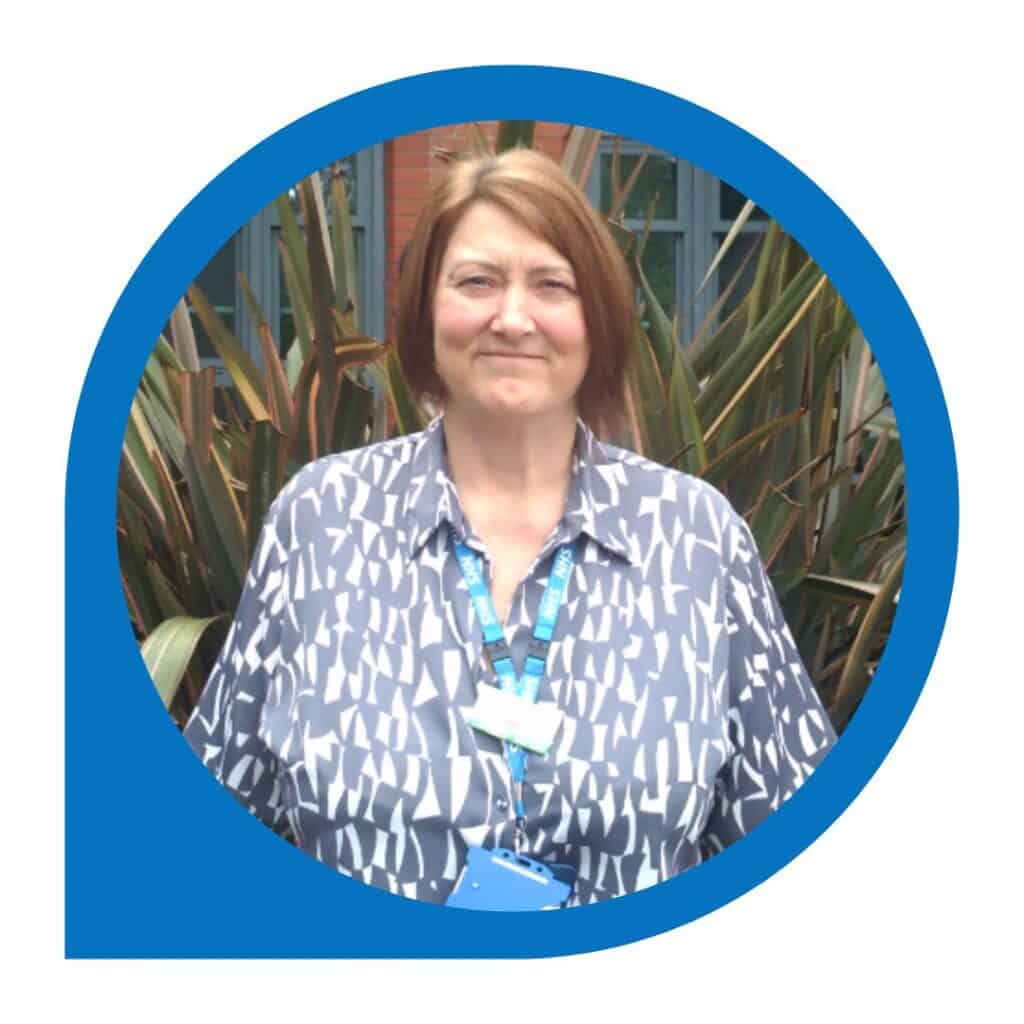

This month’s Five Minutes With features Mandy, Head of Programmes for Strategy, People and Partnerships. With more than 25 years at the Trust, Mandy has worked across HR, Learning and Development, ICT Project Management and programme management, supporting a wide range of projects including the transfer of Children and Young People’s services, the Sexual Safety Policy, Trust transformation work and the annual Values Awards. In this interview, she shares more about her varied role, why Freedom to Speak Up matters, her commitment to improving mental health and how cooking, travel and walks with her dog Beau help support her wellbeing.
Hi Mandy, please could you start by telling us a little bit about yourself and what you do at Team BSMHFT?
“Hi my name is Mandy and I am Head of Programmes for Strategy, People and Partnerships directorate. My role involves delivering projects and programmes across the directorate and the wider Trust, some of the recent work I have been involved in includes leading the transfer of the Children and Young People’s services from Birmingham Women’s and Children’s Trust to our Trust, the implementation of the Sexual Safety Policy and resources to support our colleagues, I led on Health and Wellbeing from 2020 till this year and I am currently providing programme support to the Trust wide transformation programme.
“I have been in the Trust a little over 25 years and have worked in a variety of teams and departments. My background is Human Resources (now known as People) and I hold a master’s degree in Human Resources Management. During my time in the Trust I have worked in HR, Learning and Development, ICT Project Management, Programme Management Office and now my current role.
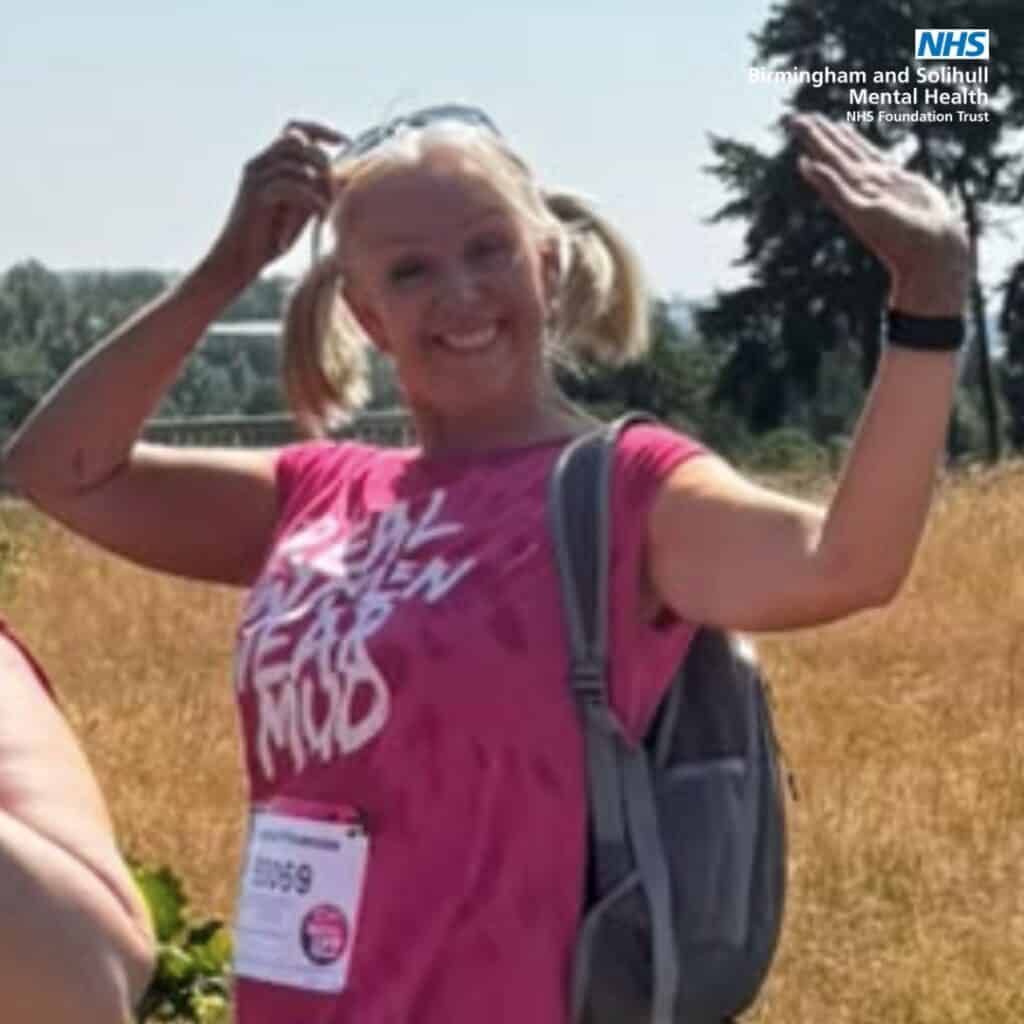
“I do not have a team which has its pros and cons, but I do get to work with a variety of really passionate colleagues which then allows me to be able to increase my knowledge in areas I would not ordinarily get involved in. I work very closely with the Communications team and support the arrangements for our annual Trust Values Awards, (one of my favourite nights of the year). I also work a lot with my colleagues in Equality, Diversity, Inclusion and Organisational Development most recently developing our corporate response to the Staff Survey.
“Outside of work I love walking with my little French bulldog, Beau, I love to cook and I love to travel to lovely all-inclusive hotels with nice restaurants with my husband. I always get involved in raising money for cancer research (a cause very close to my heart) and recently completed my annual ‘Pretty Muddy’ 5K run.”

What does a typical day look like for you in your role?
“In addition to the day job, I am the chair of the Women’s Staff Network and have been doing this role since the network’s inception three years ago, I am also a trained mediator and a Freedom to Speak Up Champion.
“No day is the same in my world, I am really fortunate that I have great variety in my role, so one day I may be supporting the sexual safety working group and the next holding a focus group to support our Communications team, or even planning the topics we are going to be talking about in our Women’s Staff Network. I usually have a number of things on at the same time, so I need to be able to switch between work quickly in order to be able to respond to questions, queries etc. This means I need to be really organised and I pride myself on doing this. I think it’s in the nature of anyone that does projects.“
For those who may not know, what is Freedom to Speak Up (FTSU) and why is it so important in the NHS?
For me Freedom to Speak Up is really important, it’s about creating a workplace where colleagues feel safe, heard and supported when raising concerns or suggestions for improvement. Champions act as trusted local contacts who listen, encourage and signpost colleagues to appropriate support.
“I became a Freedom to Speak Up Champion because I believe everyone deserves to be listened to. By being a trusted local contact, I can help create a culture where colleagues feel safe to raise concerns, share ideas and contribute to improving staff experience, patient safety and quality of care.”
What’s the biggest misconception people have about your job?
“I think the biggest misconception people would have is I organises meetings, projects and paperwork. When in reality, much of my job is about changing culture, influencing people, building relationships and helping the organisation deliver its strategy through others. What they often don’t see is that behind every paper or project there is negotiating competing priorities, building consensus where people disagree, supporting leaders to make difficult decisions, helping teams work together across boundaries, creating the conditions for change to happen and managing risk and assurance when there is no obvious answer.
“It’s very much “If the plan is written, the job is done.” whereas the reality is often, writing the plan is the easy bit; getting lots of people to understand it, believe in it and deliver it is the real work.”
Why did you decide to pursue a career in mental health and how has this led you to become a FTSU Champion?
“The reality is that I didn’t set out to pursue a career in mental health. At the time, I was working as a temp and had been told my assignment would be in the Finance team at University Hospital Birmingham (UHB). However, when I arrived, I discovered I was actually working on reception in outpatients at the QEPH (which I’m sure many people will remember).
“Very quickly, I realised how much I enjoyed working with service users and patients. I also really valued the people I worked with and the ethos of the Trust. While I was there, I saw a flyer advertising a Personnel Manager role and thought, I want to stay with this Trust. I applied and as they say, the rest is history.
“I am passionate about breaking down the stigma associated with mental health. Having had family members who have experienced mental health problems, I feel I am in a position to help influence positive change in how we deliver our services.
“I wanted to become a Freedom to Speak Up Champion because I have seen first-hand how issues at work can have a significant impact on all aspects of a person’s life, including their mental health. I want to be able to listen, create psychological safety, bring people together and help ensure voices are heard so that meaningful and lasting change can be achieved across the Trust.”
What do you do to improve your mental health and wellbeing?
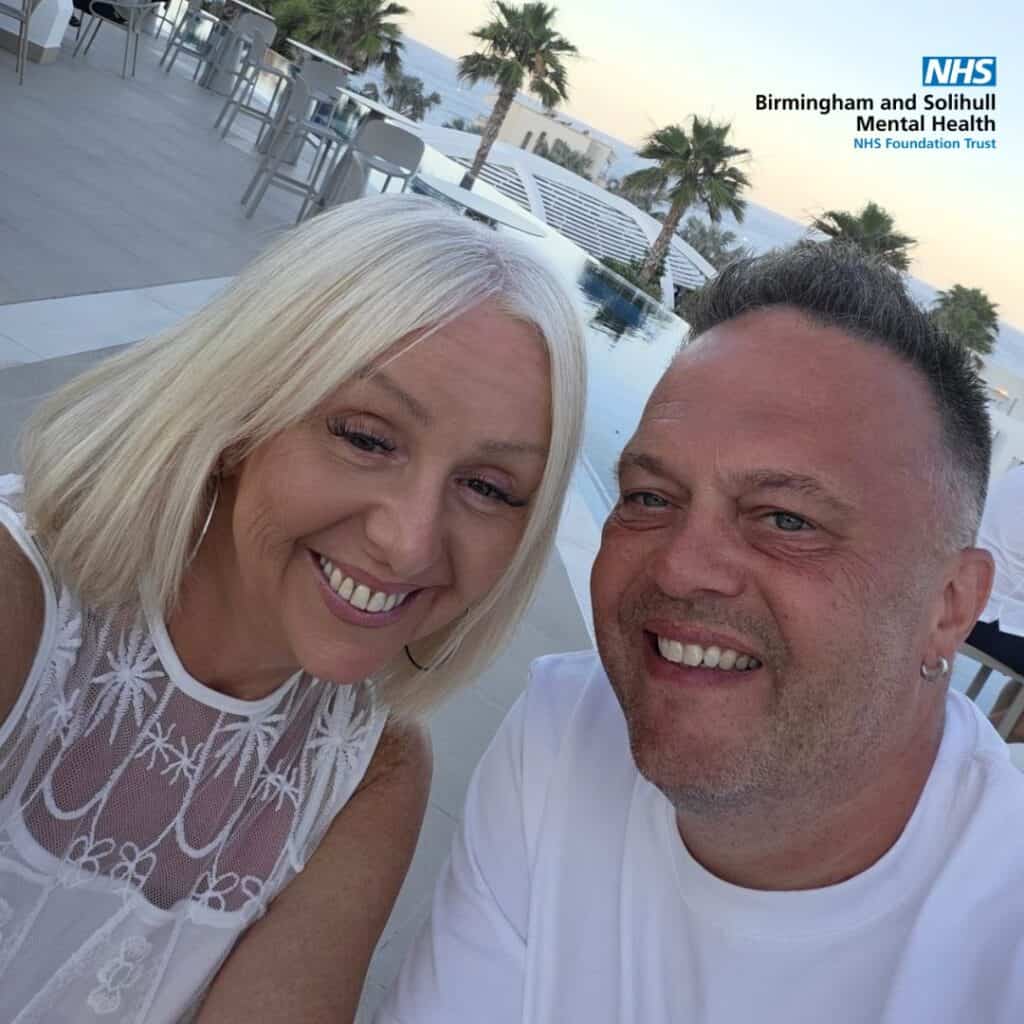
“Holidays must be my number one, my husband and I love to travel to really nice hotels with amazing food, once it’s in the diary, I can already feel my wellbeing improving. Cooking is also a huge thing for me, when I finish work it really helps me decompress, I get to stand in the kitchen and try to create lovely meals for my family to enjoy. I also love to go out walking with Beau, I pop my air pods in and listen to a podcast and I could walk for hours, not only is that good for my mental wellbeing it also helps with my physical wellbeing too. Finally, I love to catch up with my friends, whether that be a meal out or just a round at someone’s house for a chat.”
Past, present or future, what three people would you most want to sit down for a meal with?
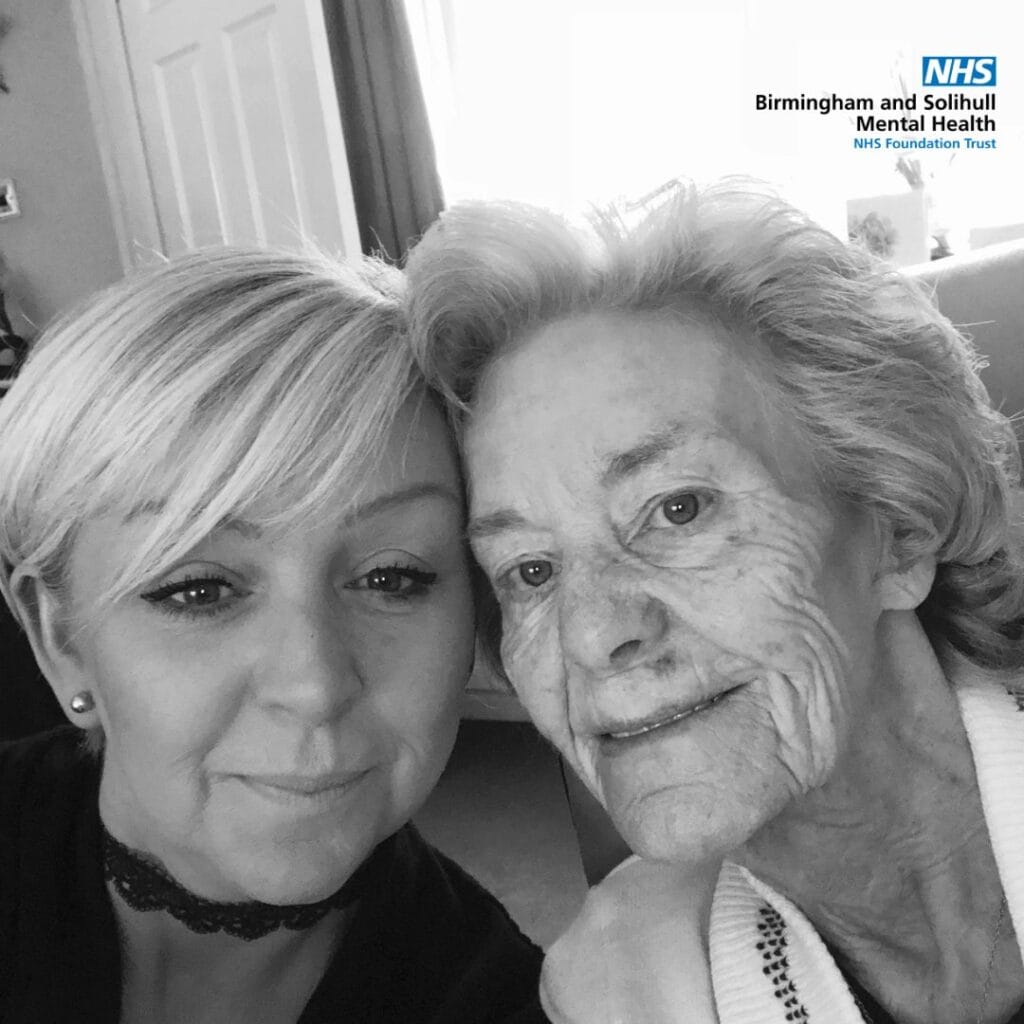
“Past would be my mom, who we lost seven years ago. I’d want to ask her whether she was proud of who I had become and did she feel that I managed some of the adversity in my life with compassion and maturity. There are so many things I wish I’d asked her and stories I’d love to hear now that I’m older. I’d love one more chance to sit, chat, laugh and tell her how much she shaped the person I became.
“Present would be Sir David Attenborough – I’d love to hear firsthand how he’s remained passionate and optimistic despite witnessing so much change in the world. I think I’d leave that meal feeling inspired to keep making a difference in whatever way I can.
“Future would be my future self I’d like to have a meal with my future self in 20 years’ time. I’d want to know whether I spent enough time with the people I love, whether I was brave enough to take opportunities and what really mattered in the end.”
Tell us something that people might not know about you
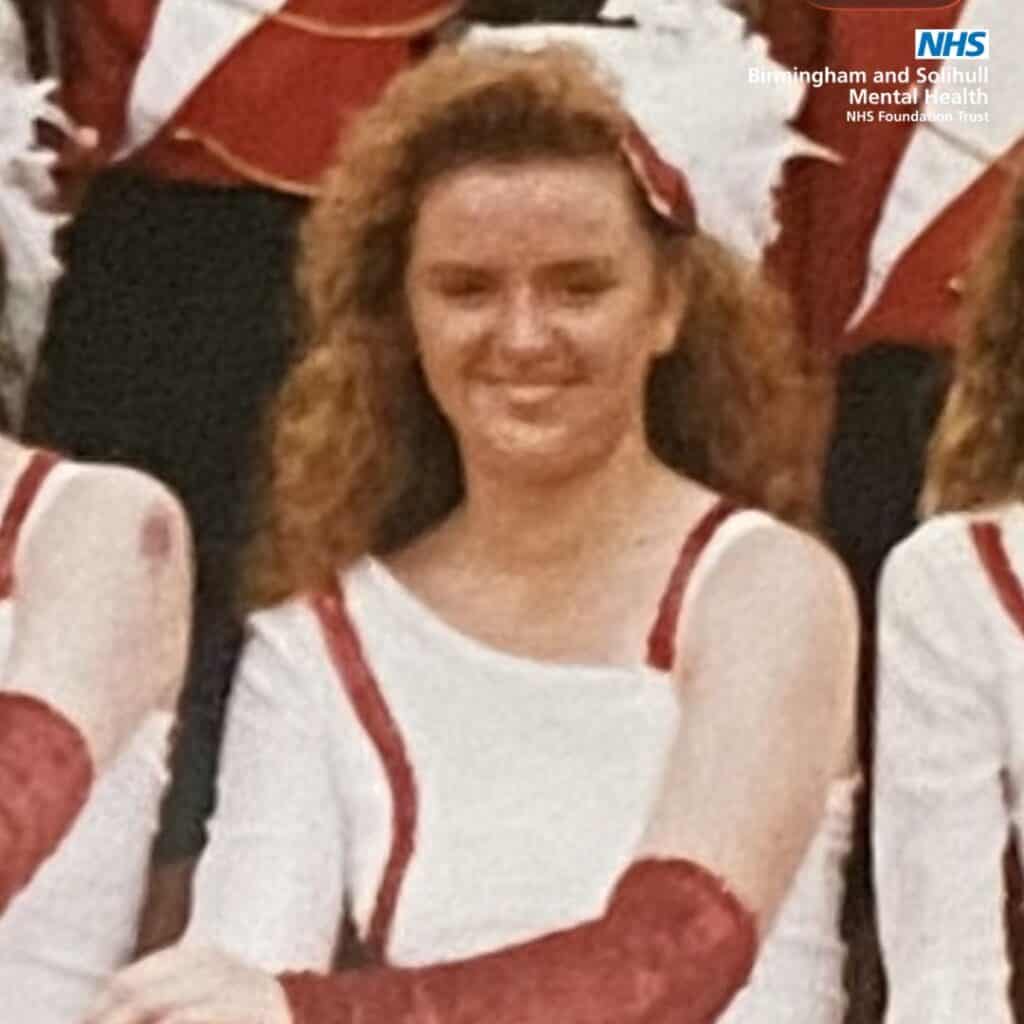
“I spent the majority of my youth as a member of an America style marching band ‘The Sunrisers’, I was a colour guard member and all my weekends were spent either in the middle of a muddy field in Great Barr practising or travelling around the country on a coach with all the other members competing in competitions. I feel that this experience really shaped the person I am today, it taught me respect, punctuality and teamwork, some of the values I carry with me through life. I made lifelong friends during that time and look forward to our annual reunion.”
Describe yourself in three words
“Caring, organised and on-time.”
Published: 30 July 2026