
Quality and Safety

Reach Out

At Reach Out Provider Collaborative, quality and safety are at the heart of everything we do. We follow a proactive approach that focuses on learning from best practice and responding swiftly to concerns.

CQC rating of Reach Out Commissioned Services
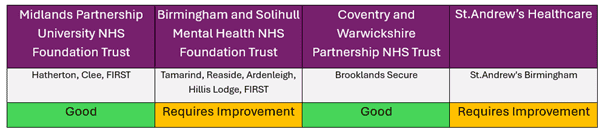
CQC

How we oversee and improve Quality

Our governance model ensures robust ‘ward-to-board’ oversight, supported by a comprehensive Quality and Safety Assurance and Improvement Framework (Available upon request). We have several established quality assurance systems in place within the collaborative which include:
– Quality through Contracting
– Case Management Quality Surveillance
– Responsive and Annual Quality Assurance Visits & Reviews
– Learning from Excellence
– Quality Network Reviews
– Quality relationship meetings
– Host Commissioning
– Quality Impact Assessments
– System Quality Groups in line with NQB Guidance
We work collaboratively with all our partners to maintain high standards and drive improvement through regular reviews, audits, and shared learning and collaboration.

Patient Safety

We actively monitor safety events and apply national frameworks such as the Patient Safety Incident Response Framework (PSIRF) to learn and improve. Below are some examples of patient safety initiatives across Reach Out:
-Supportive oversight of the effectiveness of partners’ safety systems in line with PSIRF.
-Facilitation of After-Action Reviews that cross organisational boundaries
-Publication of patient safety alerts
-Sharing of findings and recommendations from PSIRF learning responses across the collaborative and nationally
-Facilitation of Reach Out PSIRF Collaborative to support partners on their PSIRF implementation journey

Co-production

We worked together with lived experience and staff from different Provider Collaboratives in the West Midlands to define co-production and its core principles. This mix helps make sure our approach is open and reflects many perspectives.
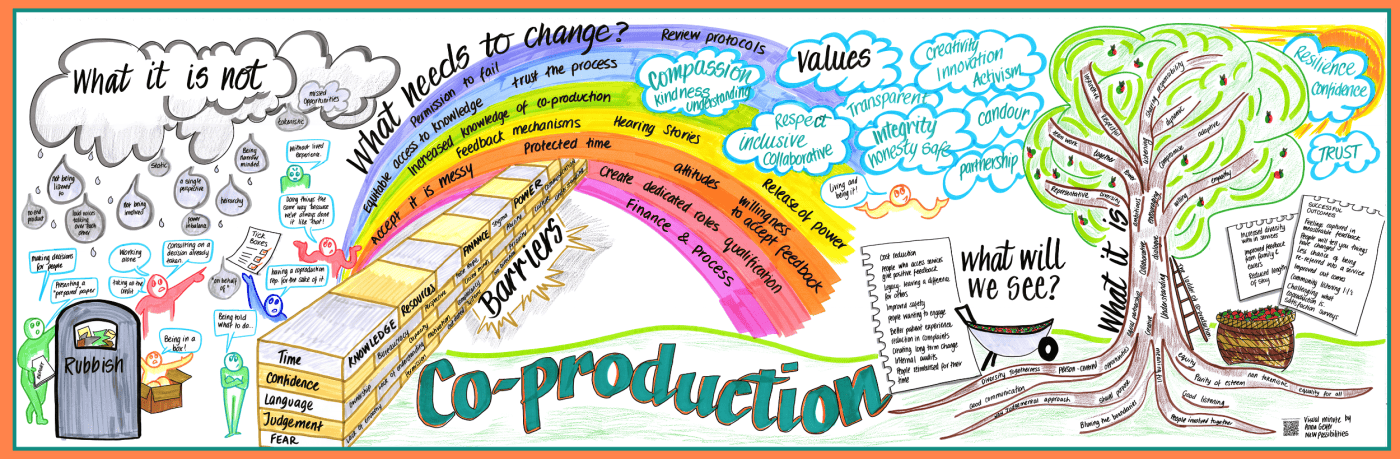
Co Production

Co-Production Principles

We collaborate as equals, valuing each person’s contribution.
• We ensure that everyone has an equal and fair opportunity to participate.
• We listen attentively and respectfully to fully understand each other’s perspectives.
• We recognise and celebrate each individual’s unique strengths and experiences.
• We commit to giving our best in every circumstance.
• We welcome and utilise a variety of co-production approaches.

How we involve people with lived experience in Reach Out:

We recruit and train people with lived-experience of secure care – both patients and carers to be Experts by Experience.

Experts by Experience work with us to enable us to co-production in Reach Out in several ways, these include:

  • being involved monthly in our Reach Out Securely Together (ROST) Forum
  • helping us to evaluate tenders for new services or service re-design
  • helping us to ensure that patient and carer priorities are included in our Commissioning Intentions and Transformation plans
  • supporting us in interviewing new staff
  • helping us develop and deliver training courses

I am interested in getting involved:

More information coming soon!

I would like to find out more about how to do co-production

Reach Out teamed up with other Provider Collaboratives, people with lived experience, Experts by Experience, carers and staff to put together Co-production in Action—a handy set of tools and training to help with co-production.
Access the Resource Booklet, suite of practical tools and comprehensive training package via the following link. You are encouraged to use and tailor these materials to suit your requirements. If you choose to utilise any of the resources, whether wholly or in part, please ensure you acknowledge the Co-production in Action Co-Design Group for their contribution.

Case Management

The Case Management function is a core component of the Reach Out Provider Collaborative, ensuring that patients in secure mental health and Learning Disability & Autism (LDA) services receive safe, high-quality, and person-centred care.

About Case Managers

The Case Managers act as the link between commissioning, providers, and clinical teams, playing a vital role in the safe and effective management of individuals within inpatient forensic mental health, learning disability, and autism pathways. They are instrumental in delivering positive outcomes for service users, in line with the NHS England (NHSE) National Case Manager Standard Operating Procedure (SOP).
All decisions and interventions are recorded in the National Case Management System (NCMS) to maintain accurate, timely, and professional records. This ensures transparency and supports governance reporting. 

Team Structure and Oversight

Our dedicated team of forensic case managers includes specialist nurses and social workers who bring a wealth of skills, knowledge, and experience across Mental Illness, Learning Disability, and Autism pathways, with a particular focus on secure forensic care. Each case manager is allocated to a specific pathway, ensuring tailored support and seamless coordination for individuals from the West Midlands—whether placed locally or out of area. Line management, support, and supervision for case managers are provided by the senior case manager and clinical directors across the Reach Out Provider Collaborative (RO PC) and the Learning Disability and Autism (LDA) Alliance within Coventry and Warwickshire Partnership Trust (CWPT).


Key Responsibilities

Pathway Development and Oversight
Case Managers oversee the care pathway for each individual, ensuring timely access to meaningful treatment, risk management, and rehabilitation are fully coordinated. This includes collaboration with multidisciplinary teams, community services, and secure settings.
Co-Production
Working with patients, families and carers, Case Managers ensure that coproduced, patient-led care is considered across the treatment pathway to ensure a positive patient journey within secure care.
Risk Assessment and Management
Case Managers continuously assess and manage risks, identifying and addressing factors that may impact individual well-being and public safety.
Multi Agency Working
Case Managers support joint working between agencies such as social services, police, probation, courts, and mental health providers to deliver truly integrated care. Ensure statutory duties are met to enable safe, timely and successful discharges.
Pathway Planning and Review
Case Managers review patient pathways via Care Plan Approach (CPA), Care and Treatment Review (CTR) and Clinical Team Meetings (CTM), ensuring transitions between services—such as from secure settings to community—are safe and well-managed.
Legal and Statutory Compliance
Case Managers ensure compliance with all relevant legislation, including the Mental Health Act and Criminal Justice System requirements. Maintain documentation and reporting to NHSE and legal standards.
Advocacy and Support
Case Managers advocate for service users’ needs and rights, ensuring their voices are heard during decision-making and supporting them to achieve their recovery goals.
Quality Assurance and Improvement
Participate in annual quality review audits and service development initiatives. Providing feedback to support the continuous improvement of care pathways.
Deprecated: htmlspecialchars(): Passing null to parameter #1 ($string) of type string is deprecated in /sites/bsmhft.platform81.com/files/wp-includes/formatting.php on line 4715
Privacy Overview

This website uses cookies so that we can provide you with the best user experience possible. Cookie information is stored in your browser and performs functions such as recognising you when you return to our website and helping our team to understand which sections of the website you find most interesting and useful.

Strictly Necessary Cookies

Strictly Necessary Cookie should be enabled at all times so that we can save your preferences for cookie settings.

3rd Party Cookies

This website uses Google Analytics to collect anonymous information such as the number of visitors to the site, and the most popular pages.

Keeping this cookie enabled helps us to improve our website.