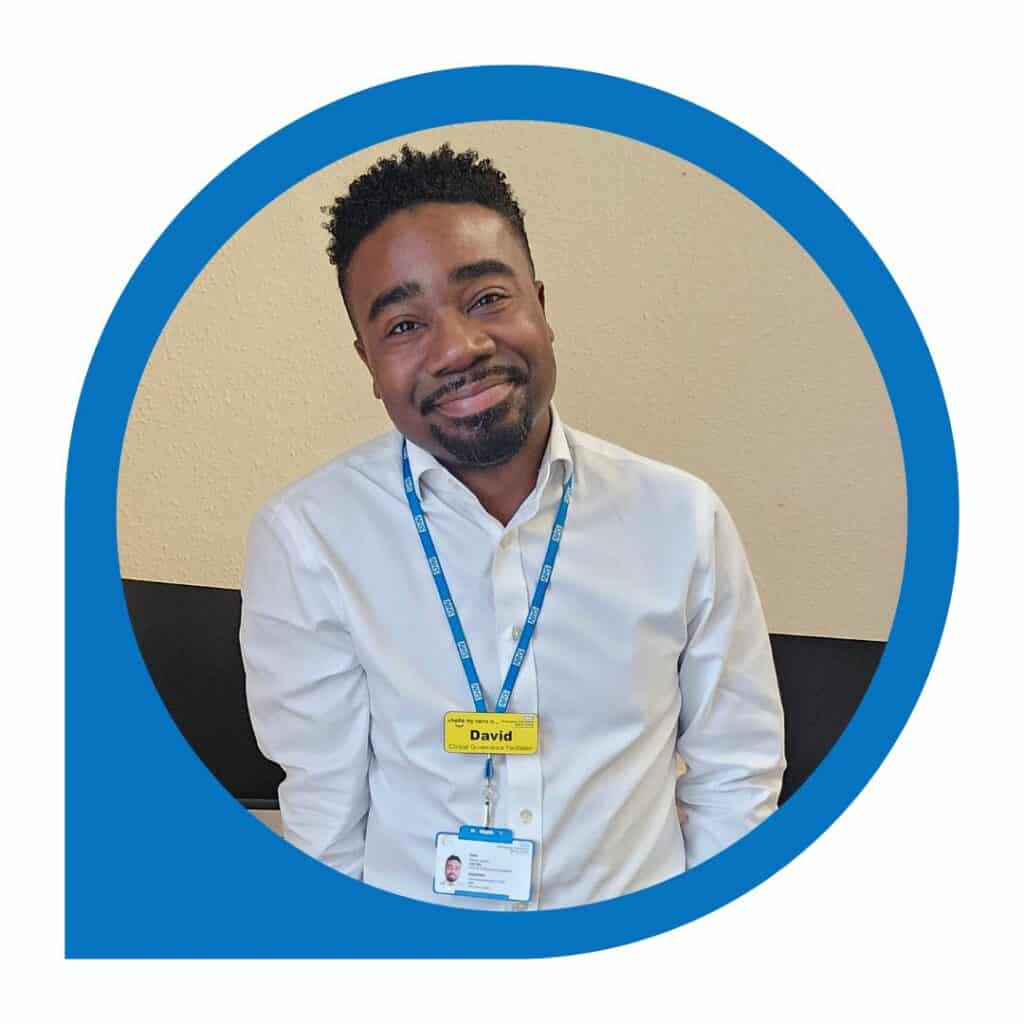
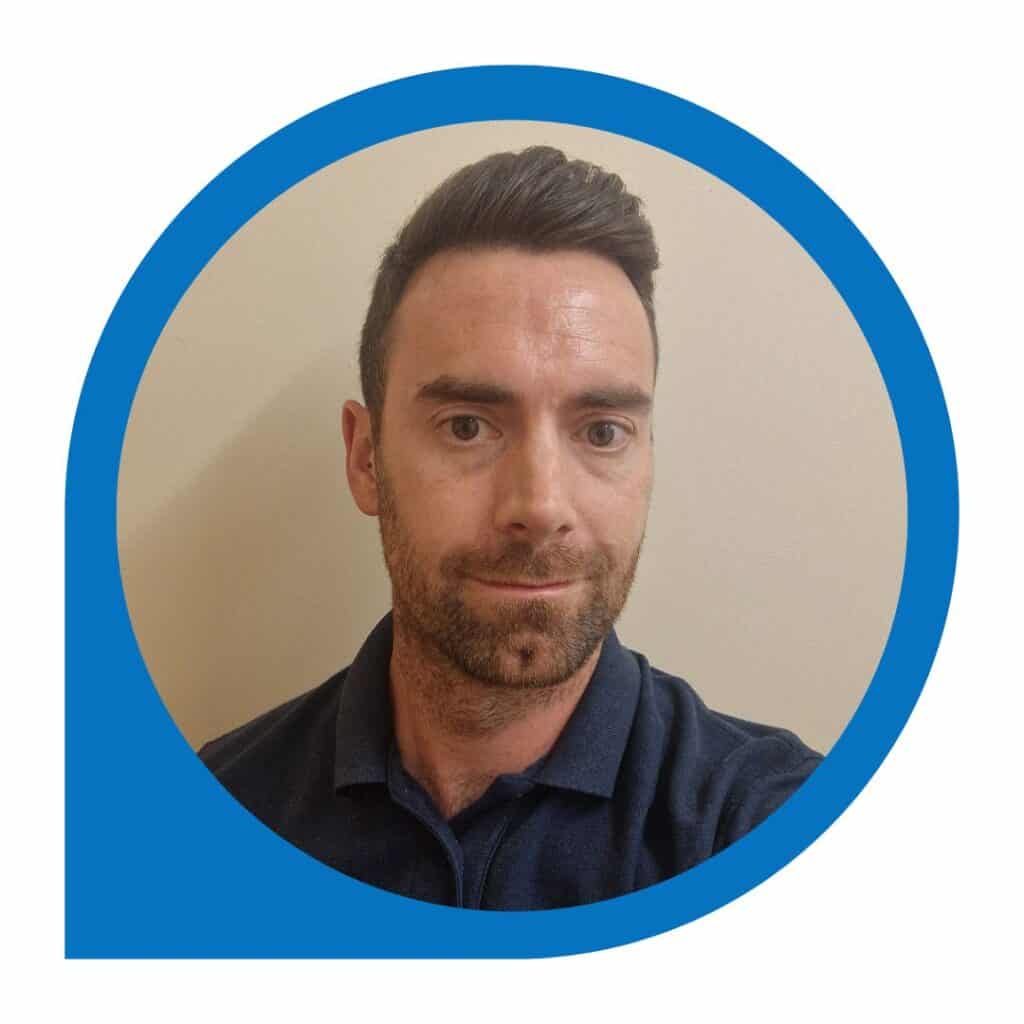
In this Five Minutes With we get to know Eben, our Equality, Diversity and Inclusion (EDI) Programmes Coordinator, who plays a key role in supporting staff networks, promoting inclusion and tackling health inequalities across the Trust. From championing safe spaces through his work as a Freedom to Speak Up Champion to sharing personal experiences that drive his passion for mental health, Eben offers an honest and inspiring insight into his role, motivations and wellbeing.
Hi Eben, please could you start by telling us a little about yourself and your role at Team BSMHFT?
“My name is Eben and I work within the Equality Diversity and Inclusion (EDI) team as the EDI Programmes Coordinator. My role involves coordinating the Trust’s staff networks, supporting Trust induction, sitting on interview panels to help ensure we recruit the best candidates and contributing to work that addresses health inequalities across our organisation.
“I have worked here for just over two years. I am fortunate to work alongside an amazing team of passionate and hardworking people who consistently give their best every day. In fact, I would say we are one of the best teams in the Trust, having recently won a special award. Outside of work, I enjoy music and writing, both of which are important creative outlets for me.”
What does a typical day look like for you in your role?
“No two days are the same. I usually start my day by checking emails before attending meetings focused on addressing health inequalities or supporting colleagues who have experienced challenges within the workplace.
“A significant part of my role involves supporting our staff networks. Each day I prioritise one of the five networks, working closely with members and helping to progress their agendas, activities and objectives. Depending on the day, I may also be supporting recruitment as an Equity Panel member, acting as an Inclusion Advisor, or carrying out my role as a Freedom to Speak Up Champion by supporting colleagues who wish to raise concerns.”
For those who may not know, what is Freedom to Speak Up and why is it important within the NHS?
“Freedom to Speak Up is incredibly important because it gives colleagues a safe space to raise concerns. It ensures that staff know there is someone available to listen and support them when they need it most.
“As Freedom to Speak Up Champions, we are often one of the first points of contact for colleagues. We listen, provide support and where appropriate signpost individuals to Freedom to Speak Up Guardians or other relevant services. At its heart, Freedom to Speak Up is about ensuring that people know their experiences matter and that there are people who genuinely care about their wellbeing in the workplace.”
What are some of the biggest misconceptions people have about your role and speaking up?
“Many people see the EDI team as the “police” of the Trust, but that could not be further from the truth.
“Our role is to support colleagues and promote fairness for everyone. Equality, diversity and inclusion is about ensuring people are treated with dignity and respect while challenging prejudice and barriers that may affect individuals or groups. Ultimately, our work helps create a workplace where everyone can succeed.
“One of the biggest misconceptions about speaking up is that nothing will happen if you speak up. In my experience, that is simply not true. Whenever colleagues have approached me with concerns, we have worked together to ensure they receive support and that appropriate action is considered.
“Another common misconception is that concerns cannot be raised confidentially. Freedom to Speak Up is designed to protect confidentiality and concerns are always managed at a pace that feels comfortable for the individual.”
Why did you decide to pursue a career in mental health and how has this led you to become a Freedom to Speak Up Champion?
“Mental health is something that is deeply personal to me. We know that men continue to experience some of the highest rates of suicide and through both personal and family experiences, I have seen the importance of providing the right support when people are struggling.
“I have also had caring responsibilities within my family and experienced the loss of a sibling who faced significant challenges. Those experiences shaped my understanding of how important compassion, support and access to help can be during difficult times.
“Working within mental health gives me the opportunity to contribute to the change I want to see and to support people when they need it most. In many ways, it is also a way of honouring my sister’s memory by helping others and making a meaningful difference in people’s lives.
“This passion naturally led me to become a Freedom to Speak Up Champion. I wanted to be someone who listens, supports colleagues and helps create a culture where people feel safe to raise concerns and seek support. Being able to contribute to positive change and support people through challenging situations is one of the most rewarding parts of what I do.”
What do you do to improve your mental health and wellbeing?
“Basketball and music are two of the biggest ways I look after my mental health and wellbeing. Playing basketball helps me stay active, clear my mind and focus my energy positively. I also enjoy writing music, which gives me a creative outlet and allows me to express myself. Both help me stay balanced and motivated, no matter what challenges the day may bring.”
If you could have dinner with anyone past, presence and future, who would they be and why?
“The first person would be Nelson Mandela. I would love the opportunity to learn more about the challenges he faced, the sacrifices he made and what inspired him to continue fighting for freedom and equality despite immense adversity. His resilience and leadership continue to inspire people around the world.
“The second person would be Zohran Mamdani, the current Mayor of New York. I admire the way he engages with communities and inspires young people to become involved in public service and social change. I would be interested to hear more about his leadership journey and his vision for creating opportunities for future generations.
“The third choice would be my future self. I would love the opportunity to reflect on the journey I have taken and understand the person I will become in the future. It would be fascinating to see how my experiences, decisions and aspirations have shaped my life and to learn what advice my future self might have for me.”
What is one thing colleagues might be surprised to learn about you?
“Many colleagues would probably be surprised to learn that I sing and write music. It is not something I talk about often at work, but it is a passion of mine and a big part of who I am.”
Deprecated: htmlspecialchars(): Passing null to parameter #1 ($string) of type string is deprecated in /sites/bsmhft.platform81.com/files/wp-includes/formatting.php on line 4715