
People aged 80 and over in north Birmingham are now waiting 20 weeks less for dementia assessment and treatment, thanks to a new pilot bringing GPs, dementia specialists and community organisations together.
Over the last six months, 109 dementia assessments have been delivered through participating GP practices, reducing average waiting times for assessment to treatment from 31 weeks to 11 weeks.
The results are the first evidence of the impact of Memory Matters, a new pilot service led by Birmingham and Solihull Mental Health NHS Foundation Trust (BSMHFT) in partnership with Alzheimer’s Society and Age Connects West Midlands – funded by NHS Birmingham and Solihull’s Fairer Futures Fund.
Across Birmingham and Solihull there are currently an estimated 13,000 people living with dementia, with this expected to rise to more than 17,000 by 2040. Across the region, the current average wait for a dementia assessment is 26 weeks, followed by a further nine weeks for treatment where appropriate.
Memory Matters aims to change this, with an ambition for people aged 80 and over to receive an assessment and, where appropriate, a diagnosis within 12 weeks. The shorter wait also means people and their families can get the treatment, advice and support they need sooner following a diagnosis.
As well as a reduction in waiting time, assessment to treatment time has also reduced by 52%, from an average of 15 to seven weeks.
Memory Matters brings GPs, dementia specialists and community organisations together to make it easier and faster for people aged 80 and over to access assessment and support. It also aims to help people and communities have earlier conversations about brain health and memory concerns, particularly in communities where these conversations may be less likely to happen. By working with trusted local organisations, the service can better understand local needs and provide support that is relevant and accessible to Birmingham’s diverse communities. It also encourages people of all ages to think about their brain health, including staying physically healthy, mentally active and socially connected.
The new service has been made possible through £500,000 from the Fairer Futures Fund, which runs until 2028. The funding has enabled BSMHFT and its partners to develop and test a new way of working in north Birmingham, bringing together GPs, specialist dementia services and trusted community organisations.
Lou Pickering, Community Service Manager for BSMHFT’s dementia and frailty services and Memory Matters lead, said:
“The results we are seeing in participating north Birmingham GP;s through Memory Matters show what can be achieved when we bring services and organisations together around the needs of people and communities.
“Reducing the average waiting time for a dementia assessment by 12 weeks is a significant achievement, but behind that figure are people and families getting answers sooner and accessing the treatment, advice and support they need.
“Memory Matters is about more than a diagnosis. It’s about making sure people feel supported through their journey, but it’s also about those early conversations about memory and brain health that are just as important.”
One family member whose loved one has used the Memory Matters pathway said the service had made a real difference to their experience:
“I didn’t know the pathway existed so it was a huge relief to know that we’d be able to come to the surgery and have my family member seen and looked after. I have to say, for the past few months the service and the support we’ve had has been brilliant, so we really appreciate it.”
The new pathway is now being used by 17 GP practices across north Birmingham, giving GPs greater confidence and support to play a more active role in dementia assessment and diagnosis. Community mental health nurses work alongside primary care teams, providing specialist expertise and helping people access assessment, advice and ongoing support closer to home.
GP Dr Gibbons who is Frailty Lead at the Sutton Coldfield Group Practice, said:
“We were keen to be early adopters of the new pathway because we could see the benefits of a more streamlined, person-centred approach for people experiencing memory problems and their carers.
“Having assessment and support available through primary care means people aged 80 and over can get advice and, where appropriate, a diagnosis and personalised support closer to home. It also means GPs can work more closely with specialist teams to make sure people get the right support at the right time, without always needing to wait for a specialist service.
“For patients and their families, that can mean getting answers sooner, feeling better supported and having access to the right care within their local community.”
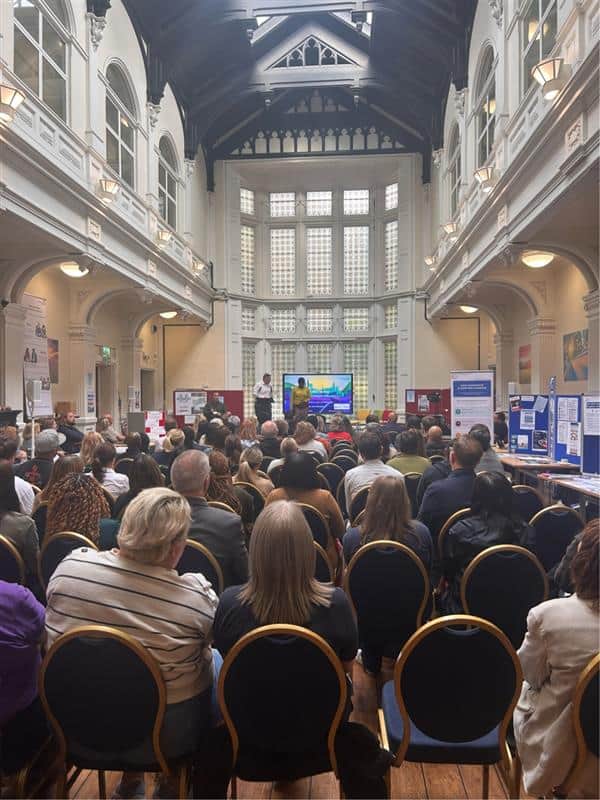
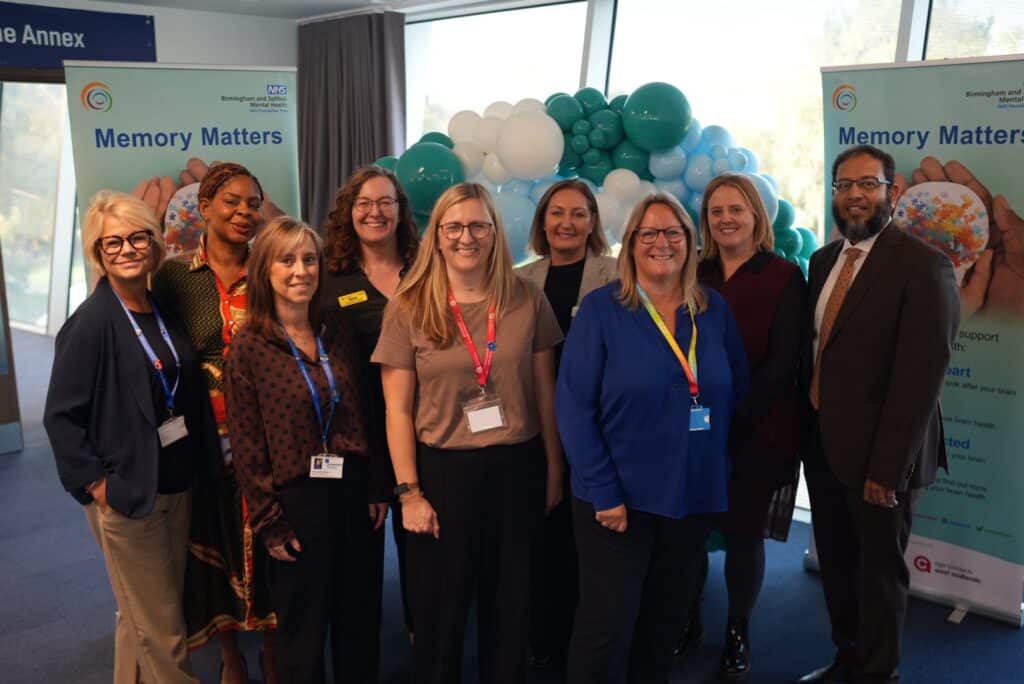
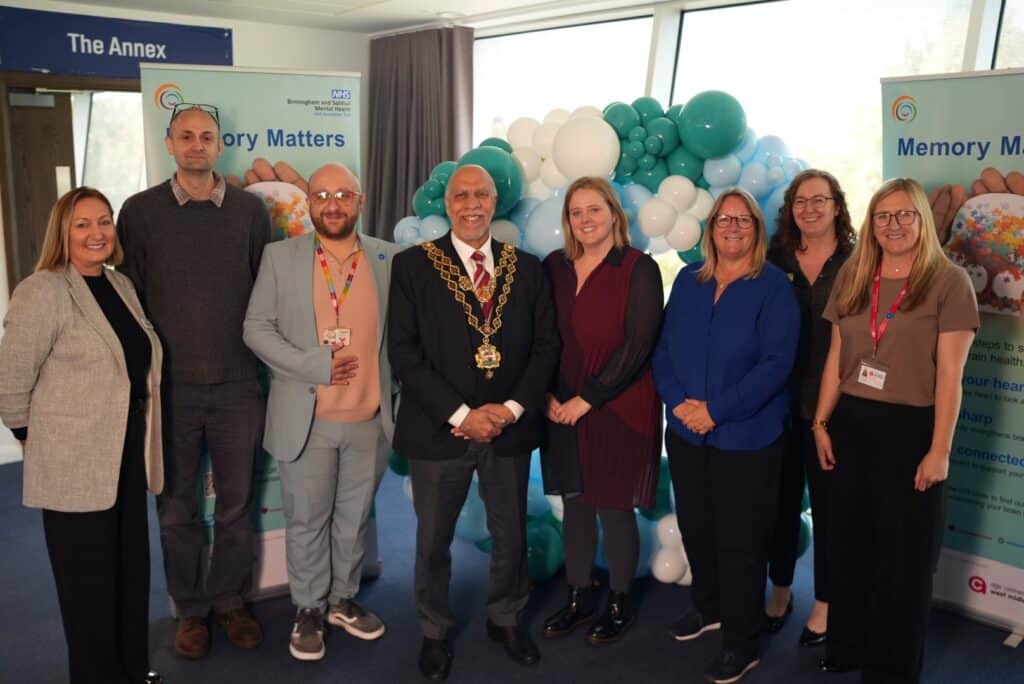
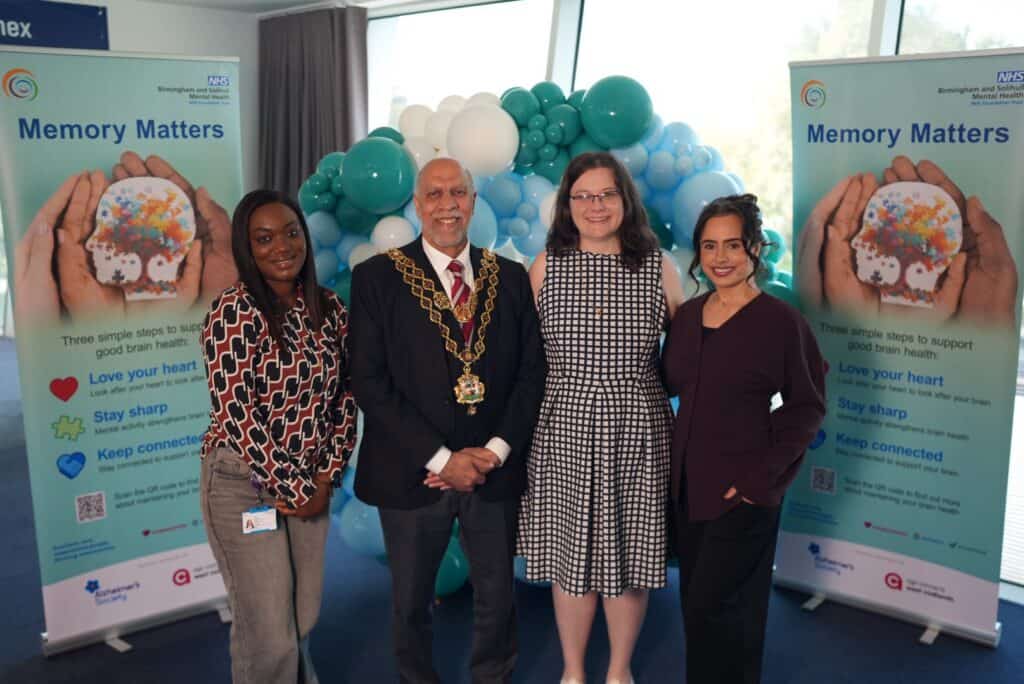
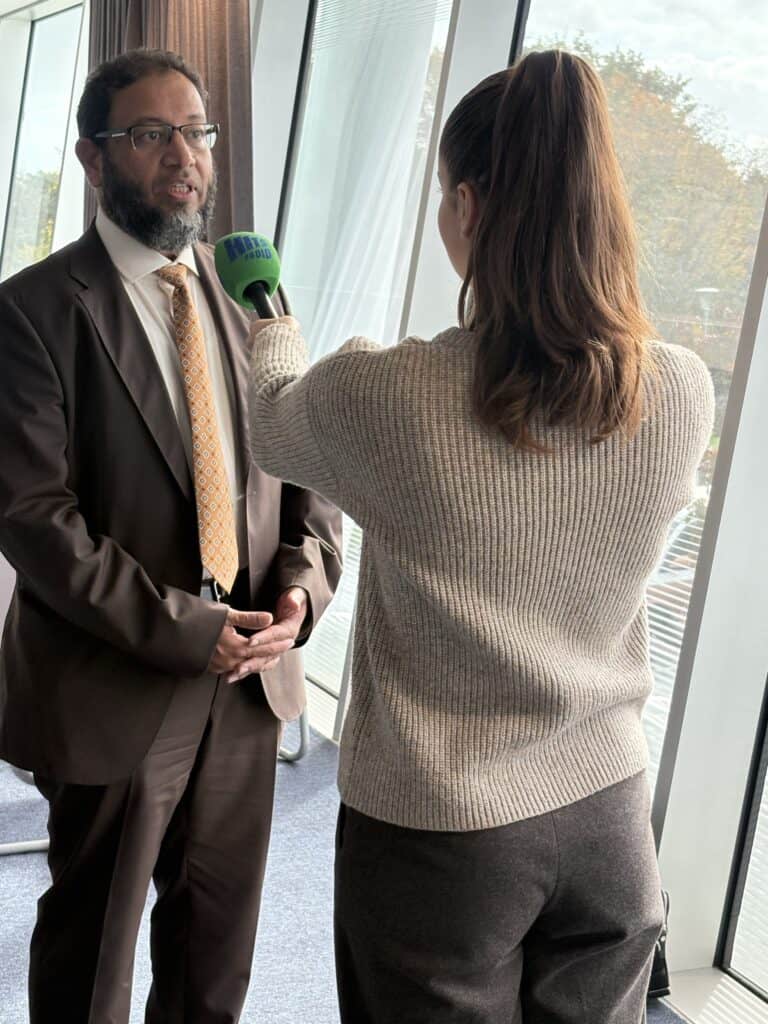
The official launch of Memory Matters was marked by a special event at Alexander Stadium, bringing together the partners involved in the service.
The event celebrated the progress made so far and provided an opportunity to share learning from the north locality. This learning will help shape the next stages of Memory Matters as the approach is developed across other Birmingham localities.
Paul Athey, Chief Finance Officer at NHS Birmingham and Solihull, said: “The Fairer Futures Fund was established to support new approaches that can make a tangible difference to people’s health and help reduce inequalities across Birmingham and Solihull.
“Memory Matters is a strong example of what that investment is intended to achieve – bringing together the NHS, primary care and trusted voluntary and community organisations to design services around the needs of local people.
“These early results are encouraging. By testing a different way of working, we are seeing people get answers, treatment and support much sooner, while also building stronger links with communities so that conversations about memory and brain health can happen earlier.
“The learning from projects like this is important too. The Fairer Futures Fund gives us the opportunity not only to invest in innovative local approaches, but to understand what works and how successful models can help shape services for the future.”
Find out more about Memory Matters, including information about memory concerns, brain health and how to access support, on the BSMHFT website www.bsmhft.nhs.uk/memory-matters
Published: 15 October 2026