
Learning Disability Week provided an important opportunity to reflect on the barriers that people with learning disabilities and autistic people can face when accessing care, and the role we all play in creating more inclusive, accessible services.
To mark the week, the Mental Health, Learning Disabilities and Autism Provider Collaborative launched its new three-year Learning Disability and Autism Delivery Plan, setting out a shared commitment to improve outcomes and experiences for people across Birmingham and Solihull. The plan has been co-produced with people with lived experience, NHS colleagues and partners from the Voluntary, Community, Faith and Social Enterprise (VCFSE) sector, including Mencap and Autism West Midlands.
The delivery plan focuses on improving care and support in the community, reducing avoidable hospital admissions and strengthening preventative services to help people live longer, healthier and more independent lives. Through ten priority areas, organisations across health, social care and the voluntary sector will work together to ensure people with learning disabilities and autistic people receive the right support at the right time.
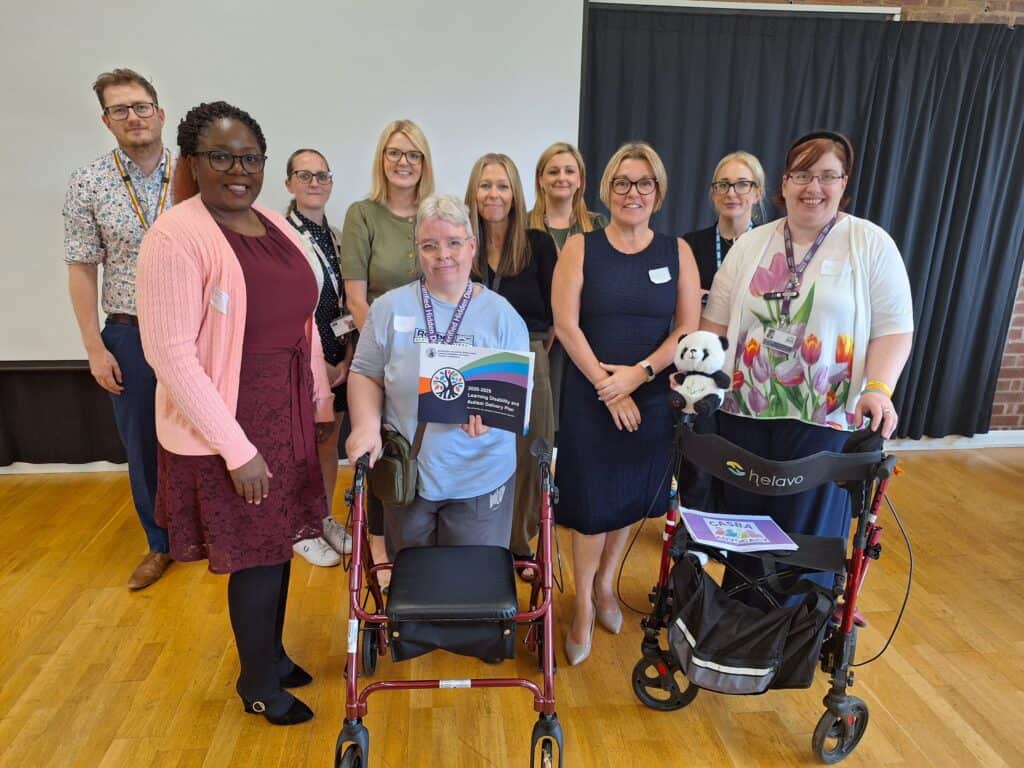
More than 70 professionals from across Birmingham and Solihull attended a launch event during Learning Disability Week, where partners came together to explore how they will collectively deliver the plan and share examples of good practice already making a difference. These included the Autism West Midlands Key Worker Service, BSMHFT’s Autism Enhanced Support Team and Birmingham SEND Team’s Autism and Me project.
The event was shaped by powerful stories from people with lived experience, highlighting both the challenges individuals can face and the opportunities for change.
Jennifer, Project Assistant for the Pregnancy to Parenthood project at CASBA, shared her story of growing up with Cerebral Palsy, her traumatic experience as new parent with a learning disability and the changes professionals need to make to ensure that people with a learning disability are treated fairly.
She said: “I can’t change the world, but I hope I can change the way professionals see parents with a disability.
“The greatest disability of all is those who don’t respect or treat us the same as everyone else.”
Jill, who also spoke at the event, shared her personal story towards living more independently, and the challenges she and people supporting her faced in finding suitable accommodation.
Richard Kirby, Chief Executive of Birmingham Community Healthcare and Senior Responsible Officer for Learning Disabilities and Autism across Birmingham and Solihull, said:
“People with a learning disability and autistic people have the same right as anyone else to live independent, fulfilling lives. The difference is ensuring they have the right care and support to make this a reality.
“This plan sets out how we will work together across health and social care, the NHS and the voluntary sector to deliver that support.
“From maintaining accurate GP registers so people can access annual health checks, to reducing reliance on inpatient care, our commitment is clear. We will work with and for people with a learning disability and autistic people to ensure they receive a fair deal and are supported to live healthy, happy lives.”
For more information about the Learning Disability and Autism Delivery Plan, visit the Provider Collaborative website.
Published: 26 June 2026